
Section 1983 & Police Misconduct
Unlawful arrests, excessive force, retaliation, and other constitutional violations by police and government officials.
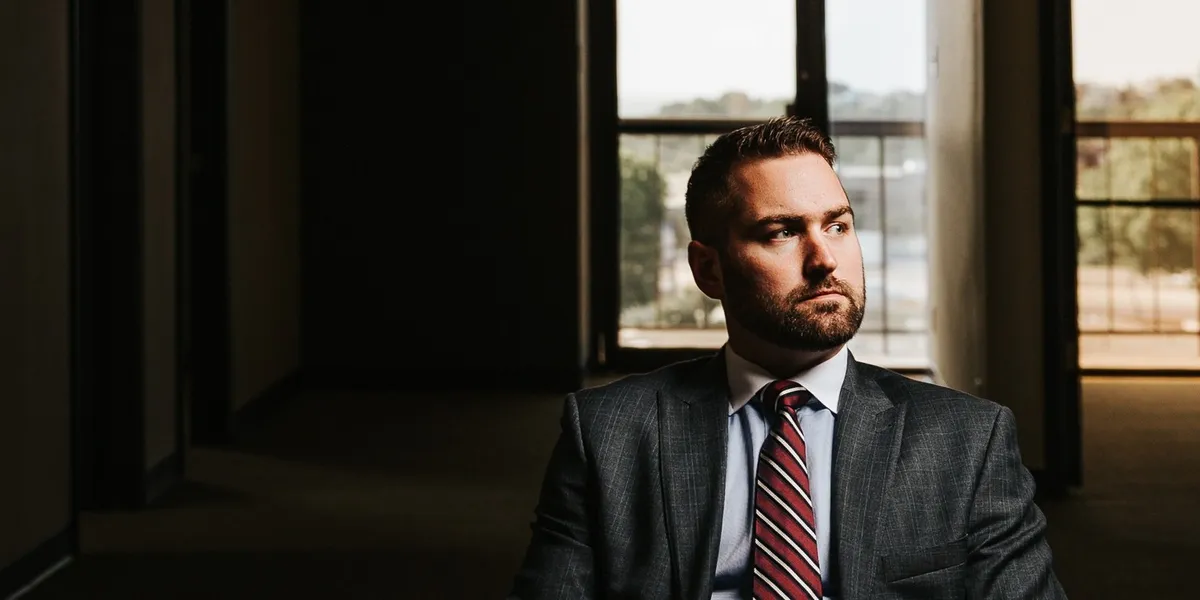
In today's digital landscape, social media has become a primary platform for personal expression and communication. While these platforms offer unprecedented opportunities to share ideas and engage with others, they also present unique legal risks—particularly the risk of being sued for defamation based on your online speech.
At Grable PLLC, we defend individuals facing defamation claims arising from social media posts, comments, reviews, and other online content. We understand the intersection of First Amendment principles and defamation law, and we fight vigorously to protect your constitutional right to free expression online.
Defamation occurs when someone makes a false statement of fact that harms another person's reputation. In the social media context, this might include:
When such statements are challenged as defamatory, complex legal questions arise regarding the nature of the statements, their factual or opinion-based character, and the constitutional protections that may apply.
Defending against defamation claims requires a strategic approach that combines constitutional principles, defamation law, and an understanding of the unique aspects of online communication. Our defense strategy includes:
The First Amendment provides robust protection for free speech, including many statements that might be considered offensive or controversial. We evaluate each case through a constitutional lens, identifying protections that may apply to your online expression.
Truth is an absolute defense to defamation claims. We conduct thorough factual investigations to establish the truth of statements where applicable.
Statements of opinion and rhetorical hyperbole receive strong constitutional protection. We analyze the context and language of challenged statements to establish their non-defamatory nature.
Texas law provides important procedural protections for defendants in defamation cases, including:
The Texas Citizens Participation Act (TCPA), which allows for early dismissal of lawsuits targeting protected speech
Anti-SLAPP provisions that can result in the recovery of attorney's fees when cases are dismissed
Strict statutes of limitations that limit the time for bringing defamation claims
In cases involving shared content, Section 230 of the Communications Decency Act may provide immunity for those who simply share or repost content created by others.
Defamation claims arising from social media present unique challenges:
Context Matters:Social media communication often lacks context that would be present in traditional media, creating ambiguity about the nature of statements.
Platform-Specific Norms:Different platforms have different communication norms and expectations, which can affect how statements are interpreted.
Rapidly Evolving Law:The legal framework for online speech continues to develop, requiring counsel with current knowledge of evolving precedents.
Constitutional Implications:These cases often involve fundamental questions about the scope of First Amendment protections in digital spaces.
Why Choose Grable PLLC for your Defense?
Our practice offers significant advantages for individuals facing social media defamation claims:
Constitutional Focus:Our practice emphasizes First Amendment and free speech protections, which are central to defamation defense.
TCPA Experience:We have successfully utilized the Texas Citizens Participation Act to secure early dismissal of unwarranted defamation claims.
Strategic Approach:We develop comprehensive defense strategies that address both the legal and factual aspects of defamation allegations.
Digital Literacy:We understand the nuances of different social media platforms and how communication norms vary across digital contexts.
Client-Centered Representation:We recognize the stress and uncertainty that come with being sued for your online speech, and we provide clear guidance throughout the process.
In addition to defending against defamation claims, we provide guidance to help individuals minimize their legal risk while maintaining their online voice:
Understanding the difference between protected opinion and potentially actionable factual claims
If you're facing defamation claims based on your social media activity, prompt legal representation is essential. Early intervention can significantly impact the trajectory of these cases, particularly with respect to potential TCPA/Anti-SLAPP motions.
Contact Grable PLLC today to discuss your situation and explore your legal options for defending your online voice.
Unlawful arrests, excessive force, retaliation, and other constitutional violations by police and government officials.
Sued for speaking out? The Texas Citizens Participation Act can end meritless suits early and shift fees.
First Amendment, defamation, TCPA, and the right to record police and public officials.
Section 1983 challenges, unlawful firearm seizures, and getting seized firearms returned.
See also: case results, case updates, and articles on the blog.
Talk with Grable PLLC. Call 210-963-5297 or email intake@grable.law. Calls and emails accepted 24/7.
Request a ConsultationPast results disclaimer: Past results do not guarantee or predict a similar outcome in any future matter. Every case is different and must be evaluated on its own facts and law. Results described depend on the facts and circumstances of each case. Client testimonials are not a guarantee of any result.